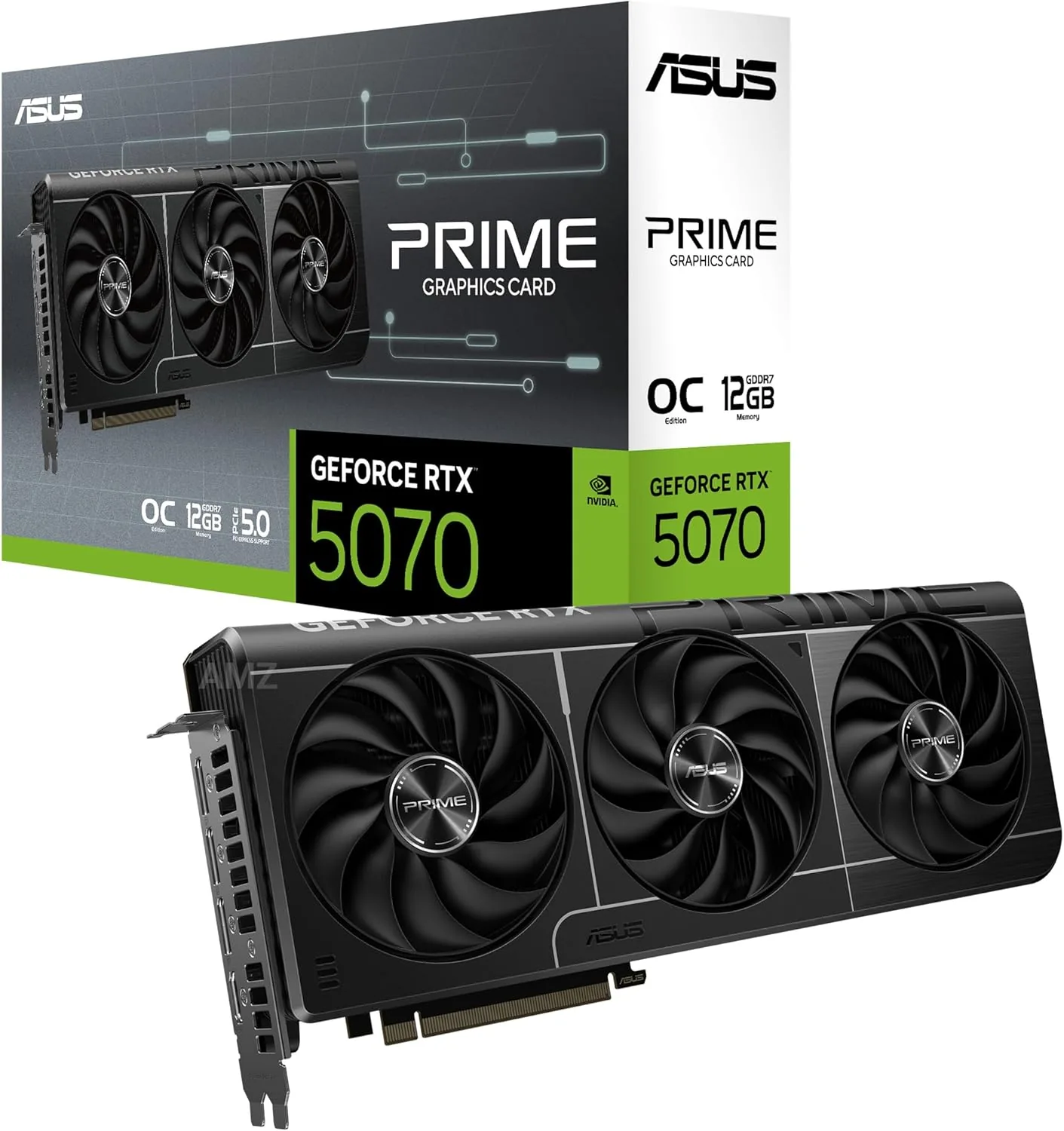
Best Overall
Asus Prime NVIDIA GeForce RTX 5070
Best for: 1440p high-refresh gaming
9.0/10View on Amazon →


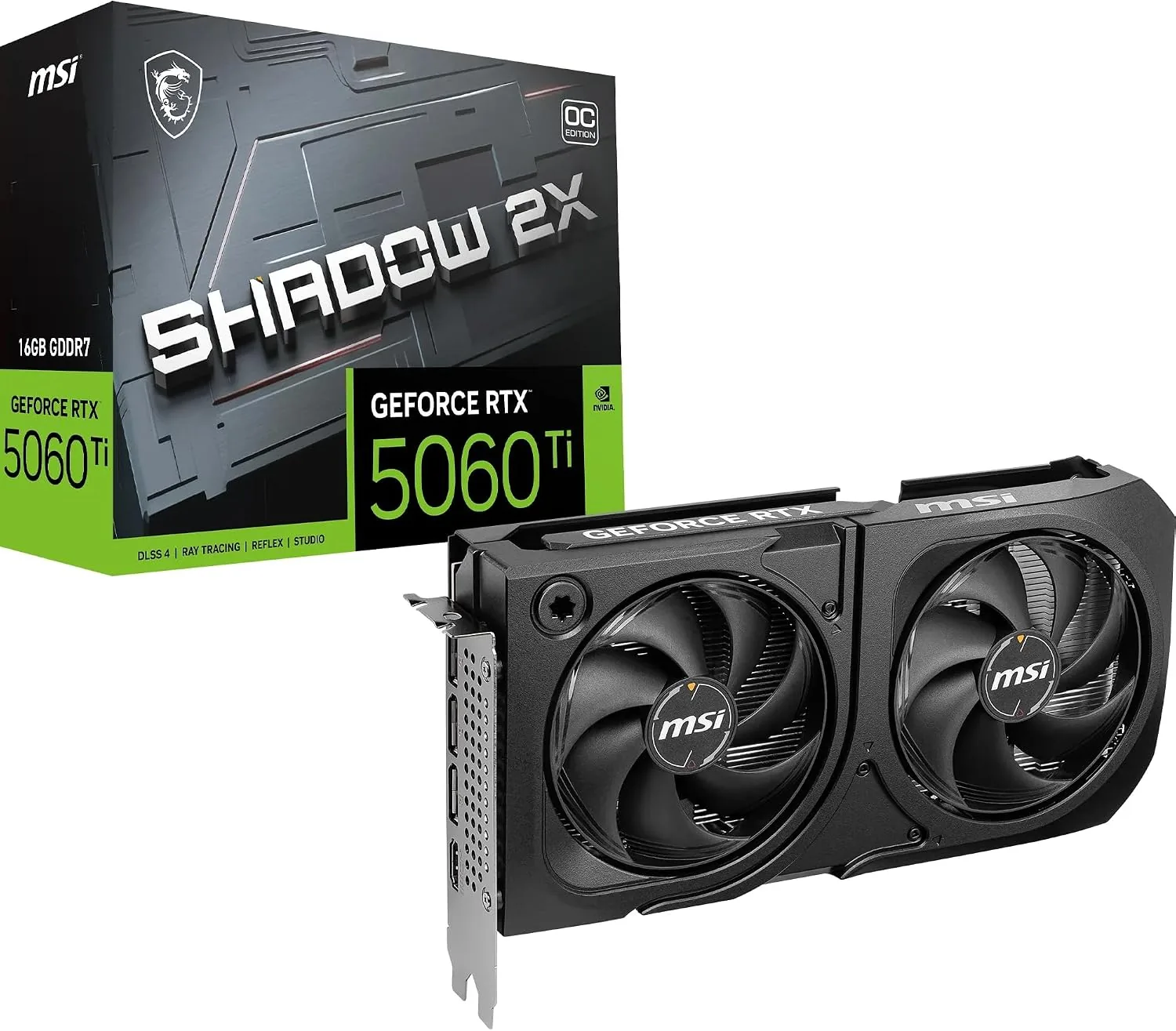
The 16GB version of the RTX 5060 Ti is the smart budget pick: it's fast enough for maxed-out 1080p and solid 1440p, and the extra memory means it won't run out of steam as quickly as 8GB cards.
The RTX 5060 Ti 16GB is the budget graphics card we'd buy for a new gaming PC. It isn't dramatically faster than the card it replaces, but it has twice the memory of most cards at this price, the full DLSS 4 feature set and low power draw, which make it a safe long-term choice for 1080p and 1440p.
The RTX 5060 Ti has 4,608 CUDA cores and 16GB of fast GDDR7 memory on a 128-bit bus. The switch to GDDR7 gives it 448GB/s of bandwidth, over 50% more than the RTX 4060 Ti, and in published testing it's around 15 to 20% faster than that card. In practice that means high or maximum settings at 1080p in nearly every game, and smooth 1440p with high settings or a little help from DLSS.
It's well matched with AMD's RX 9060 XT 16GB. The two trade wins game by game, with NVIDIA ahead in ray tracing. Our RTX 5060 Ti 16GB vs RX 9060 XT 16GB comparison goes through the differences.
The RTX 5060 Ti is sold in 8GB and 16GB versions under the same name, and the 16GB one is the one to buy. Several recent games already need more than 8GB at high texture settings, even at 1080p, and the 8GB card can stutter or show blurry textures in those games. The 16GB version avoids this and gives room for ray tracing, frame generation and local AI tools, which all use extra memory. Check that the listing says 16GB before you buy.
DLSS 4 upscaling and Multi Frame Generation are both supported, and they're especially useful on a budget card: turning on DLSS at 1440p often adds 30 to 50% more frames with little loss in image quality. Frame generation makes motion smoother in single-player games but doesn't reduce input lag, so it works best when you already have around 60fps.
At 180W the 5060 Ti is easy to power. Most partner cards, like this MSI model, use a single 8-pin connector and run cool and quiet, and NVIDIA recommends a 600W power supply. The card uses eight PCIe lanes rather than sixteen. On PCIe 4.0 and 5.0 motherboards that makes no real difference, but on older PCIe 3.0 boards you lose a few percent of performance.
Buy the RTX 5060 Ti 16GB for a new 1080p or 1440p gaming PC on a budget, or as an upgrade from an RTX 20- or 30-series card. If you need the cheapest card possible for 1080p, the Intel Arc B580 and RTX 5060 cost less but come with compromises.
| Architecture | NVIDIA Blackwell |
|---|---|
| CUDA cores | 4,608 |
| Boost clock | 2,572MHz (reference) |
| VRAM | 16GB GDDR7 |
| Memory speed | 28Gbps |
| Memory bus | 128-bit |
| Memory bandwidth | 448GB/s |
| Interface | PCI Express 5.0 x8 |
| Total board power | 180W |
| Recommended PSU | 600W |
| Outputs | HDMI 2.1b, 3x DisplayPort 2.1b |
The 16GB version of the RTX 5060 Ti is the smart budget pick: it's fast enough for maxed-out 1080p and solid 1440p, and the extra memory means it won't run out of steam as quickly as 8GB cards. It earns our Best Budget award in our guide to the best graphics cards.
Check price on Amazon →Best for: 1440p high-refresh gaming
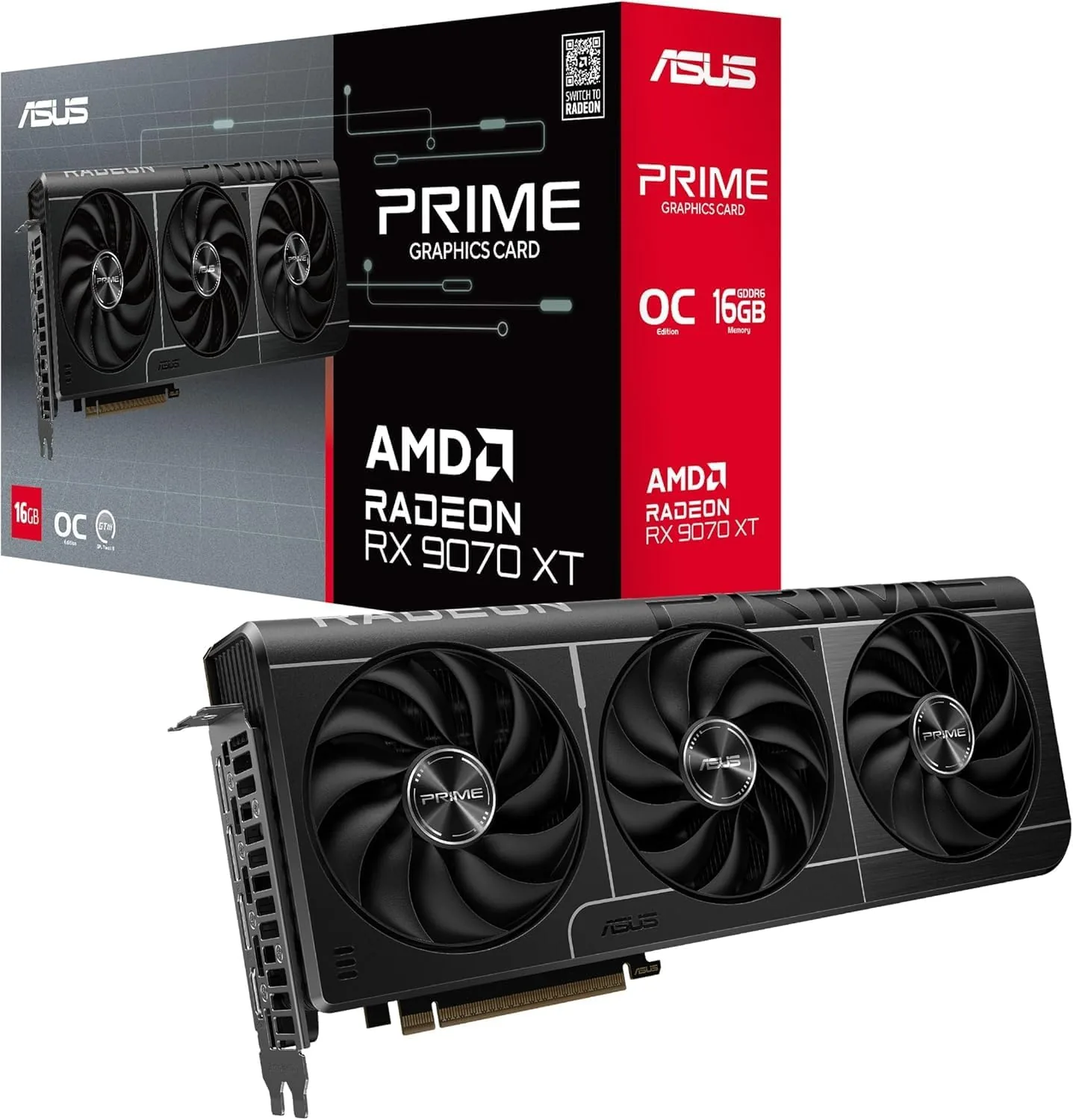
Best for: 1440p and entry-level 4K gaming
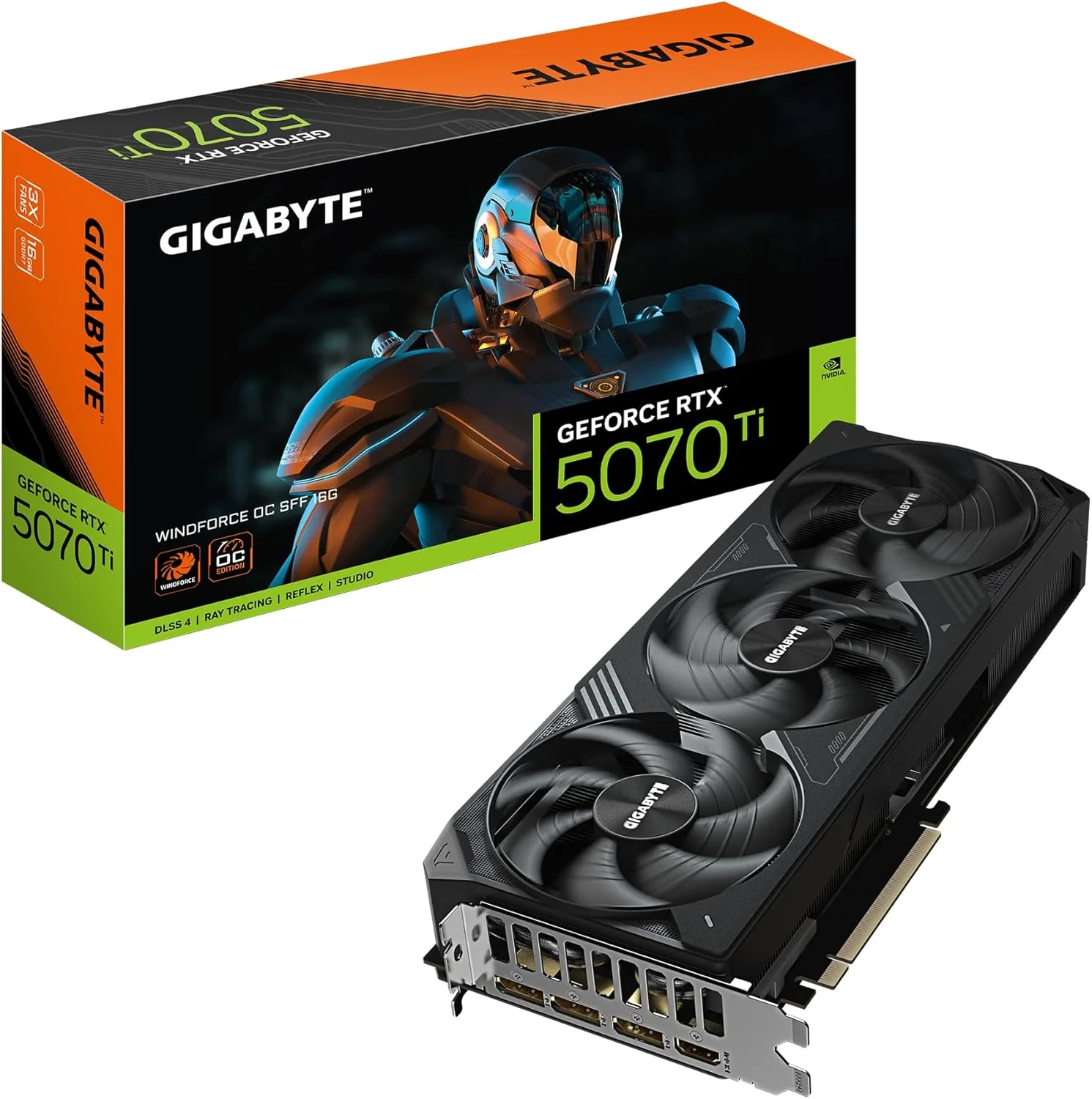
Best for: Maxed-out 1440p and 4K with DLSS